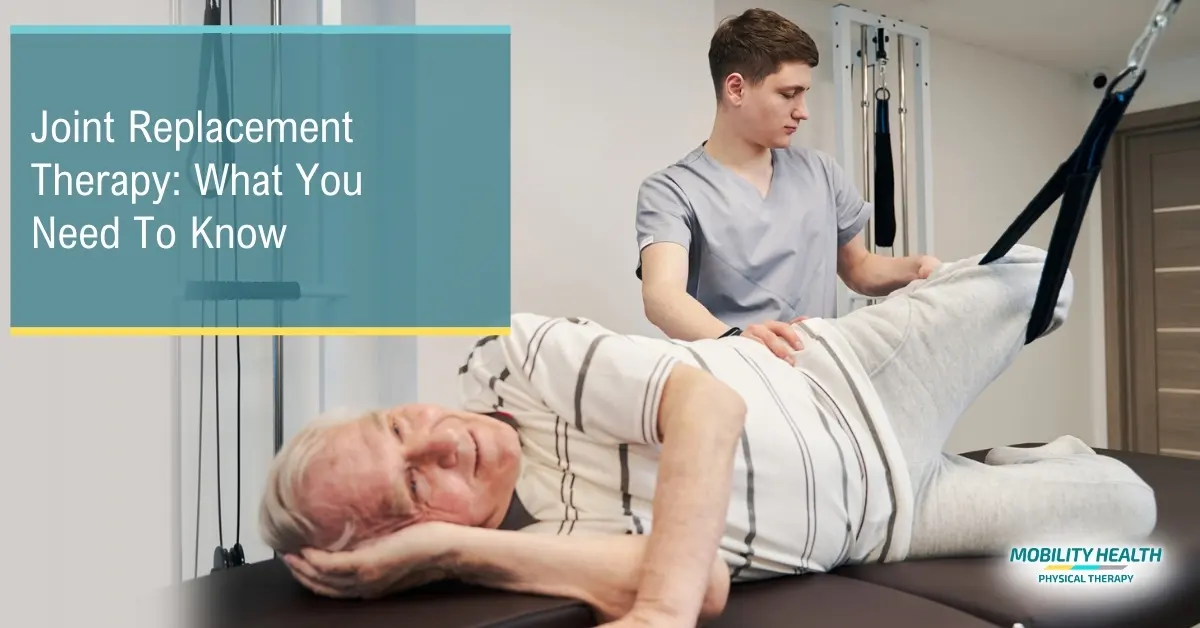
Surgery can be an uncomfortable experience, even in the most favorable of circumstances.
But did you know that pre-surgery physical therapy can substantially decrease your postoperative discomfort and speed up your recovery?
At our physical therapy clinic in Manhattan, we help our clients prepare for a wide range of surgeries, such as:
- Reconstructive surgeries
- Carpal tunnel surgery
- Hip and knee surgeries
- Shoulder and rotator cuff surgeries
- Spinal surgery
- And much more
Pre-surgery physical therapy can provide you with a variety of great benefits.
This article will highlight some of them.
If you’re preparing for any type of upcoming surgery, this article is for you.
Check out more information below.
How Can Pre-Surgery Physical Therapy Help?
Pre-surgery physical therapy can help you in a multitude of ways.
At Mobility Health Physical Therapy, we recommend pre-surgery physical therapy for the following reasons:
1. It Can Decrease Your Recovery Time
There’s no sugarcoating it; recovery can sometimes be an unpleasant experience.
It can be especially challenging for people with active lifestyles, such as runners, swimmers, or other types of athletes.
Physical therapy can help speed up the process.
Physical therapy can help prepare your body for surgery and raise your chances of experiencing a smooth procedure.
Generally speaking, the smoother your procedure, the quicker your recovery.
And who doesn’t want that, right?
2. It Can Decrease Your Time Spent In The Hospital
Most postoperative patients just want to go home and into their own beds as soon as possible.
Hospital stays aren’t cheap, and nothing is as comfortable as your own bed.
Unfortunately, not everyone can go home the same day as their surgery.
Certain surgeries require more observation before you’re safe to go.
Additionally, certain circumstances can delay your discharge from the hospital.
For instance, you typically can’t leave the hospital unless you can independently get up and out of bed, walk around, and preform basic self-care tasks such as using the toilet.
Patients who develop muscle atrophy often have trouble performing these tasks following surgery.
Muscle atrophy is a common postoperative condition that lowers your muscle mass and strength.
Fortunately, pre-surgery physical therapy can help reduce this risk and subsequently shorten your hospital stay.
3. It Can Help With Chronic And Acute Pain
Pain is a common side effect following some surgeries.
In some cases, your doctor may recommend opioids and other pain medications for short term pain management.
Unfortunately, pain medications come with significant risk.
For instance, opioids are highly addictive and can be dangerous in high enough doses.
Pre-surgery physical therapy can help reduce your pain and lower your risk of opioid reliance.
Your pain management physical therapist will work with you to reduce inflammation and increase your circulation, both key factors in pain reduction.
The idea is that the less post-surgery pain you feel, the less you’ll require pain medications.
4. It Can Decrease Your Risk Of Complications
Depending on your type of surgery, your doctor will likely explain all the possible post-surgery complications.
In some cases, the list may seem never ending.
However, physical therapy before your surgery can help lower your risk of experiencing a variety of complications.
The stronger your body is before surgery, the less likely you’ll experience certain complications such as muscle atrophy or trips and falls.
Post-surgery physical therapy can help promote healing and cardiovascular fitness.
Cardiovascular fitness is a particularly important aspect of surgery recovery.
5. It Can Improve Your Stamina
We briefly highlighted the consequences of muscle atrophy above.
In truth, muscle atrophy is more common than you might think.
For instance, a 2022 study by Hogenbirk Et Al. found that 39% of patients experienced muscle loss following a major abdominal cancer surgery.
Of course, your risk of experiencing muscle atrophy will vary greatly depending on your type of surgery.
Still, your risk is never zero.
Nonetheless, your physical therapist can work with you to decrease your risk as much as possible.
Physical therapy helps your body prepare for the physical trauma of surgery.
It helps your body endure the underuse of your muscles following surgery, thereby reducing your risk of experiencing muscle atrophy.
6. It Can Improve Your Overall Outcome
Surgery is always stressful on the body.
However, it’s true that more active people generally bounce back faster post-surgery.
Pre-surgery physical therapy can help get your body get in the best possible condition for surgery.
Of course, other facts can influence this, such as your age or preexisting conditions.
Your physical therapist will create a treatment plan that considers all these factors.
Ultimately, our goal as physical therapists is to help your body get the most possible benefit from your surgery.
7. It May Actually Help You Avoid Future Surgeries
Sure, some surgeries are medically necessary.
For example, some traumatic injuries are significant enough to require surgery.
However, physical therapy can actually help you delay or even avoid certain surgeries altogether.
For instance, many people undergo hand surgery for carpal tunnel syndrome.
In some cases, physical therapy can help you improve your carpal tunnel syndrome symptoms to a point where surgery is no longer necessary.
Other examples include knee meniscus tears, osteoarthritis, and certain lower back conditions, such as a herniated disc.
Even if your surgery is medically necessary, pre-surgery physical therapy can still help reduce your risk of needing additional future surgeries.
After all, surgeons perform certain surgeries only as a last resort.
RELATED ARTICLE: Embracing Preventive Care In Physical Therapy
So, why not try physical therapy first?
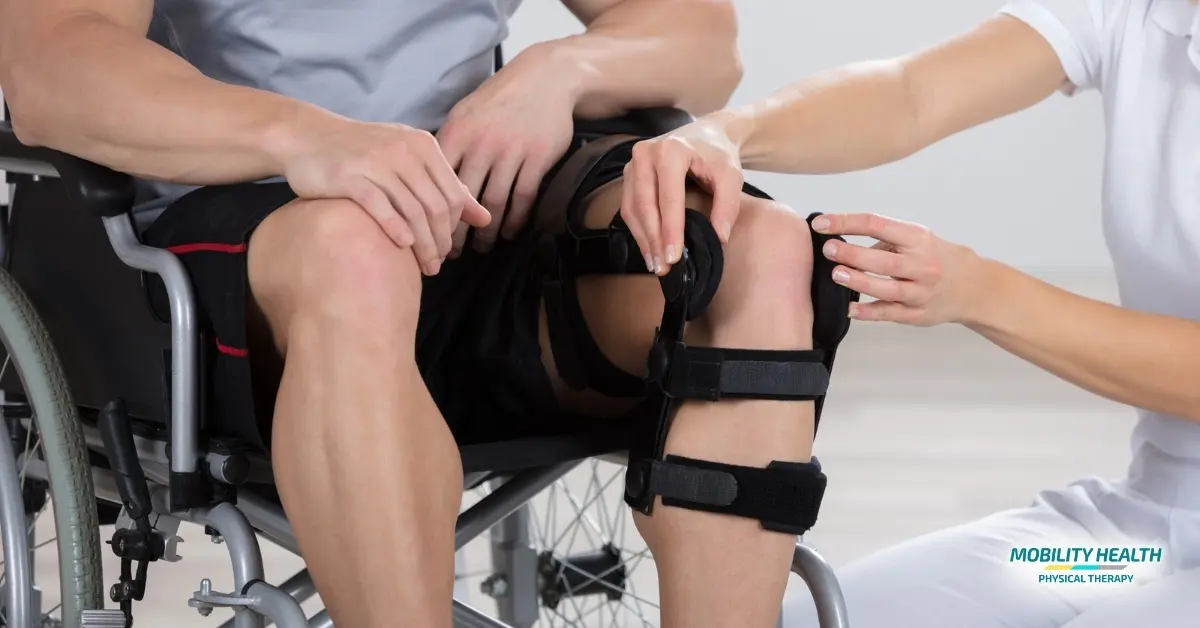
How Should You Prepare For Surgery?
Different surgeries require different preparation strategies.
Depending on your surgery, your doctor might advise a more aggressive pre-surgery exercise routine to help build strength and stamina.
In other cases, your doctor might recommend you rest your body before surgery.
Your physical therapist will create a treatment plan that reflects your doctor’s advice.
In most cases, we generally recommend that you begin physical therapy at least six weeks before your surgery.
However, even one or two weeks of physical therapy is better than nothing.
Speak to a physical therapist at Mobility Health Physical Therapy today to find out more.
Book Your Appointment With Mobility Health Physical Therapy Today
Surgery may be an uncomfortable experience, but physical therapy can help you shorten your recovery time and get you back on your feet.
At Mobility Health Physical Therapy, we can help you prepare for all types of surgeries.
Book your appointment with Mobility Health Physical Therapy today and begin building your pre-surgery strength and stamina today.