Targeted cold therapy used within your physical therapy plan to calm pain and swelling, so you can move more comfortably and get more out of each session.

When an injury is sore and swollen, or a flare-up makes every movement uncomfortable, it is hard to focus on getting better. Pain can make you guard the area, move less, and fall behind on the exercises that help you heal. Cryotherapy in Bay Ridge, Brooklyn at Mobility Health Physical Therapy means targeted cold therapy applied to a specific area as one part of your physical therapy plan. Cold can help calm pain and reduce swelling, which may make it easier to move and to take part in the active work that drives your recovery. It is never the whole treatment. Your licensed physical therapist decides when cold therapy makes sense for you, where to apply it, and how it fits with the hands-on care and exercise in your plan.
Cold therapy is often used after a new injury, after surgery, after a challenging session, or during a flare-up of a long-standing problem. Your therapist may use it at the start of a visit to help you move more comfortably, or at the end to settle things down. You will also learn how to use cold safely at home, so you can manage symptoms between appointments. Cold therapy is always paired with the active care that helps you recover, including targeted exercise, hands-on techniques and movement coaching.

Cryotherapy in NYC can be a helpful part of care for many people. Your therapist will recommend it only when it supports your goals.
Sprains, strains and other new injuries often come with pain and swelling that limit how you move. Targeted cold therapy can help calm the area in the early stages, so your therapist can start gentle motion and strengthening sooner and you feel more comfortable as you begin the work of recovery.
After an operation, swelling and soreness can make it harder to regain motion. Within your post-surgical rehab plan, cold therapy may help you stay more comfortable during and after exercise. Your therapist follows your surgeon's guidelines and adjusts how cold is used as you move through each phase of healing. Comfort supports progress.
If you are managing joint pain, tendon irritation or a long-standing problem that flares up, or you train hard and feel sore afterward, cold therapy can help settle symptoms. Your therapist pairs it with the exercise and hands-on care that address why the symptoms keep coming back. Cold calms symptoms; exercise builds resilience.
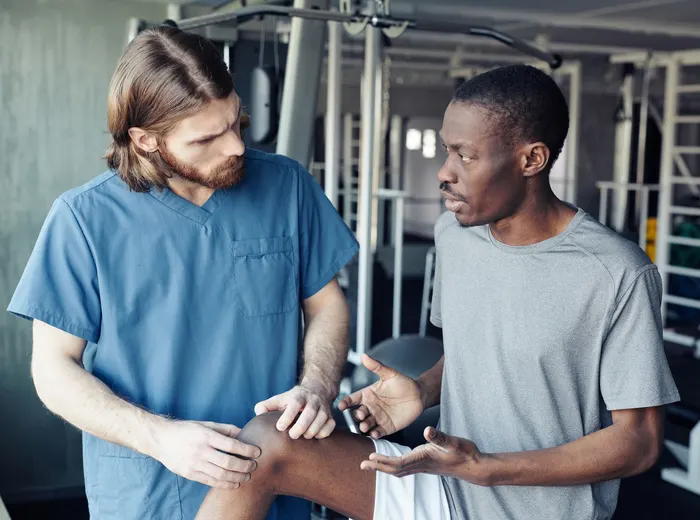
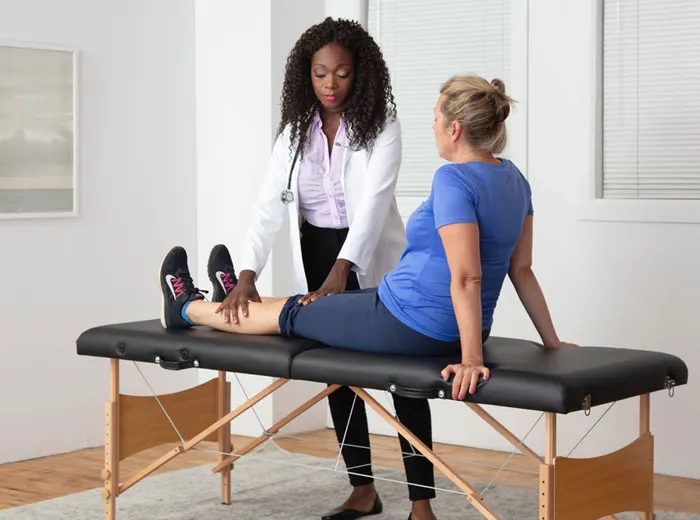
Cold therapy is always part of a one-on-one session with a licensed physical therapist, never a standalone treatment.
Your therapist starts by understanding your injury or condition, your health history and your goals. They check whether cold therapy is a good fit for you, and look for any reasons it should be avoided, before deciding how and when to include it in your plan.
Cold is applied only to the area that needs it, for a short, controlled time. Your therapist checks in on how your skin and symptoms respond and uses cold to help you move more comfortably during exercise or to settle the area after a demanding session.
You learn how to use cold safely on your own: when it may help, how long to apply it, and how to protect your skin. That way you can manage soreness between visits and keep up with the home exercises that move your recovery forward. Your therapist will answer any questions you have about home use.
Cold therapy is not right for everyone. Tell your therapist if you have circulation problems, Raynaud's, reduced sensation, cold sensitivity or skin conditions in the area. Your therapist will screen for these first and choose another approach if cold is not a safe fit for you.

Recover from sports injuries, rebuild strength and return to play with a clear, phased plan.

How one-on-one physical therapy in Bay Ridge, Brooklyn helps with joint pain.

Targeted therapeutic massage that eases muscle tension and prepares your body for lasting recovery.