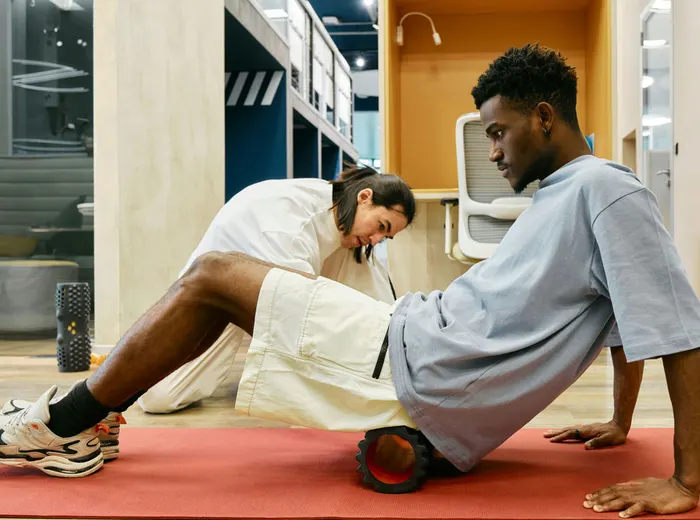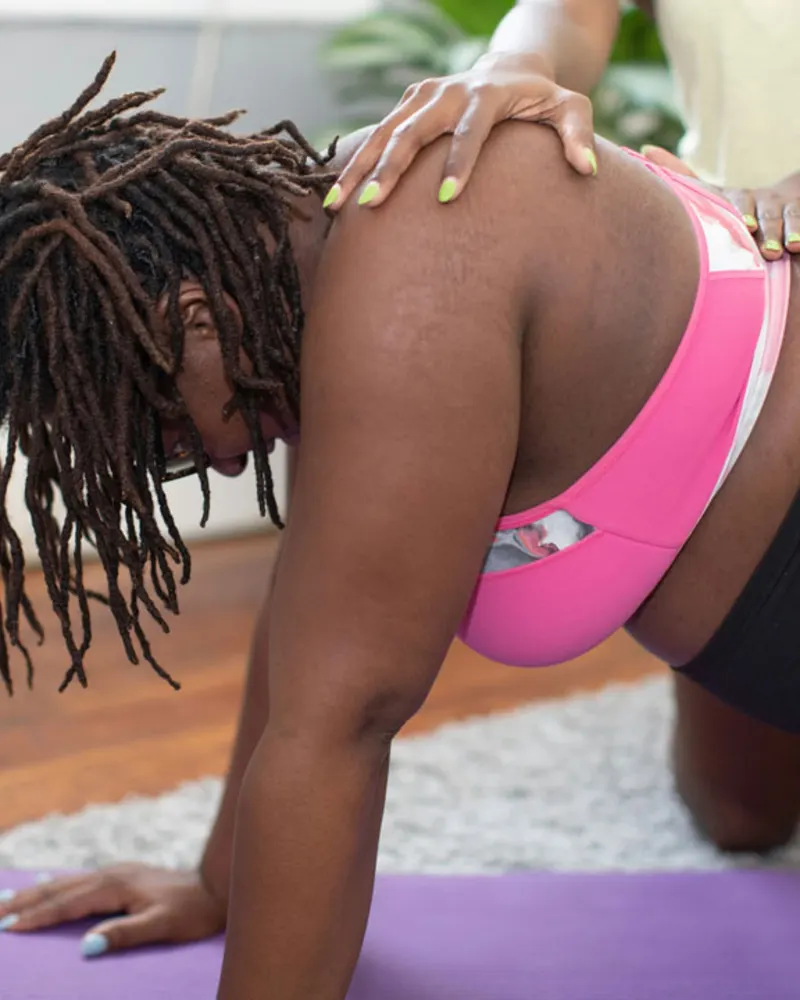
Smooth, contoured instruments help your physical therapist find and treat stubborn soft tissue restrictions, so you can move more freely and get more from your exercise program.

Instrument-assisted soft tissue mobilization, or IASTM, is a hands-on technique in which your physical therapist uses smooth, rigid tools with beveled edges to work over muscles, tendons and fascia. The instruments let your therapist feel areas of thickened or restricted tissue that can be hard to pick up with the hands alone, then apply controlled, targeted pressure along those areas. IASTM is a broad category of care. The Graston Technique is one well-known, branded method within it, and our team has that training too, but IASTM covers the wider range of instrument-based approaches your therapist can adapt to your body. The goal is simple: reduce the feeling of tightness, improve how the tissue glides, and open a window where movement and strengthening work feel easier. At Mobility Health Physical Therapy, IASTM in Bay Ridge, Brooklyn is always one part of a complete plan, never a stand-alone fix.
Soft tissue restrictions rarely exist in isolation. A tight band along the outside of the thigh, a thickened area near an old scar or a stiff Achilles is usually connected to how you sit, train, walk and recover. That is why your therapist pairs IASTM with movement assessment, targeted exercise and education. Every session is one-on-one with a licensed physical therapist, most of them Doctors of Physical Therapy, so the pressure, the tools and the areas treated are adjusted to your comfort and your goals from visit to visit.
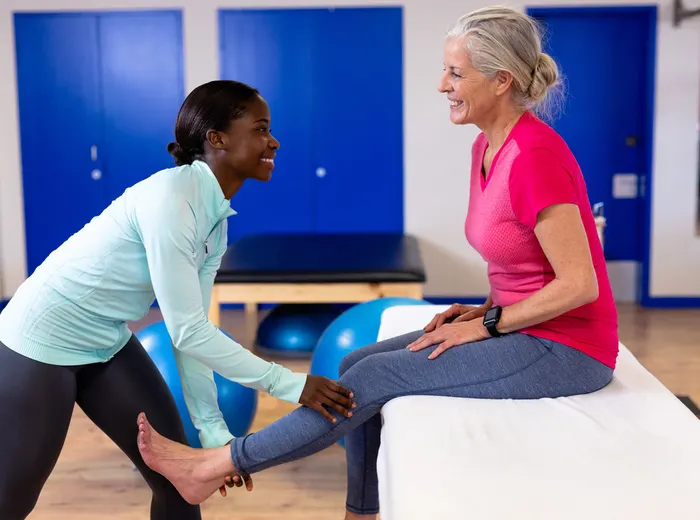
IASTM can be a helpful addition for many people dealing with soft tissue tightness. Your therapist will check whether it suits your situation during your evaluation.
If you run, lift, play a sport or train for events around NYC, you know how quickly a tight calf, hamstring or shoulder can throw off your form. IASTM can help your therapist address those restricted areas so you can move through a fuller range and get back to the activity you love with better mechanics and more confidence.
After an operation, the tissue around the area can feel stiff, thick or stuck, especially near scars. Once your surgeon clears you and the area has healed appropriately, your therapist may use IASTM as part of your post-surgical rehabilitation to help the tissue move better and support the return of motion and strength.
Maybe the tightness has been there for months, and stretching alone has not changed much. Ongoing tendon irritation, repetitive strain from desk work or a nagging area that never quite loosens can all be worth looking at. IASTM gives your therapist another way to address the tissue while you work on the habits behind it.
Here is how IASTM usually fits into a session at our Midtown clinic or during a mobile visit.
Your therapist starts by listening to your story and assessing how you move, where you feel restricted and what makes symptoms better or worse. This helps decide whether IASTM is a good fit, which areas to treat and how it should combine with the rest of your plan. You will always know why a technique is being used.
A light lotion is applied and your therapist glides the instrument over the target area. You may feel a scraping or grainy sensation and mild discomfort, but it should never feel sharp. Pressure is always adjusted to you, and you can ask your therapist to ease off at any point.
IASTM is followed by exercises that use the new range of motion, so the change carries into daily life. Some people notice mild redness or soreness afterward that settles on its own. Your therapist will explain what is normal and give you a simple home program to keep progress going.
IASTM is not right for everyone. Let your therapist know if you take blood thinners, bruise easily, have a skin condition, an open wound, a recent fracture or circulation concerns. Your therapist will screen for these during your evaluation and choose a different approach when instrument work is not appropriate.

Instrument-assisted soft tissue treatment for tight muscles, tendon pain and restrictive scar tissue.

Targeted pressure combined with movement to release tight, irritated muscles, tendons and fascia.

How one-on-one physical therapy in Bay Ridge, Brooklyn helps with sports injuries.