(212) 499-4962 · 8804 3rd Ave, Brooklyn, NY 11209
Mobility Health Physical Therapy

Joint Mobilization in Bay Ridge, Brooklyn

Gentle, skilled joint mobilization in Bay Ridge, Brooklyn that helps stiff joints move more freely, ease discomfort and make everyday movement feel easier again.

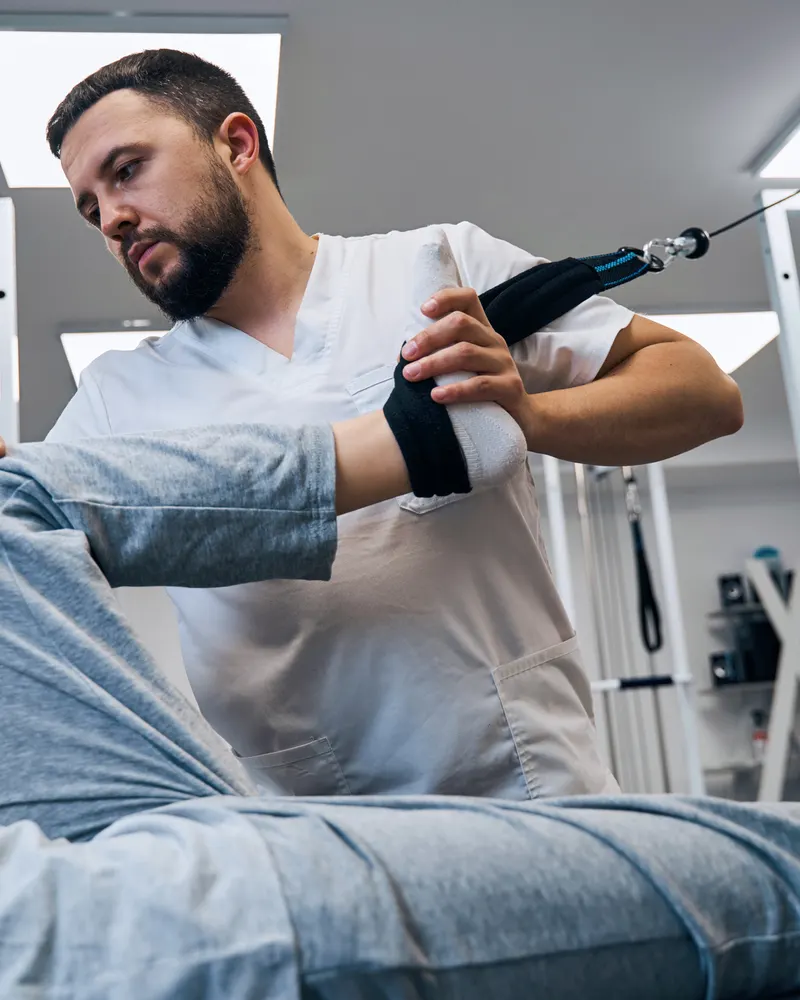
Therapist guiding a patient's arm through a cable-resisted exercise
01What It Is

What is joint mobilization?

Joint mobilization is a hands-on physical therapy technique for joints that feel stiff or stuck. Your therapist uses slow, controlled movements to glide a joint in specific directions, working within a range that feels comfortable to you. The aim is to improve how the joint surfaces move, reduce stiffness and make it easier for you to bend, reach, turn or walk. Stiff joints can sneak up on you. A shoulder that will not reach the top shelf, an ankle that feels locked after a sprain, or a back that does not want to bend in the morning can all wear you down. Joint mobilization in Bay Ridge, Brooklyn at Mobility Health is always done one-on-one by a licensed physical therapist who has examined the joint first and knows which direction and intensity make sense.

Mobilizations are graded, which means your therapist can make them very gentle or a little firmer depending on your symptoms and goals. Some of our team are trained in the Mulligan Concept, which pairs joint glides with active movement so you practice the motion while the joint is supported. Mobilization is almost always followed by exercise, so you learn to use and keep the new range rather than losing it by the next visit. Joint mobilization is available in our Midtown clinic and through mobile PT at your home or office.

02Who It's For

Who it's for.

Joint mobilization in NYC can help when a joint is stiff, limited or uncomfortable to move. These are some common situations.

01

Stiffness after injury

After a sprain, fracture or period in a brace, joints can lose their normal glide. You might feel blocked at the end of a movement or notice that one side does not move like the other. Mobilization helps restore that motion gradually, which makes strengthening and normal activity easier and more comfortable.

02

Back and neck stiffness

Spinal joints can feel tight and painful, especially if you sit for long periods or carry tension through your shoulders. Gentle mobilization of the spine can ease that stiffness and make turning your head or bending forward feel more natural. We combine it with exercise and simple changes to how you sit and move.

03

Recovering range after surgery

Once your surgeon allows it, joint mobilization can help recover range of motion after procedures on the shoulder, knee, ankle and other joints. We follow your physician's guidelines closely and choose gentle grades early on, so you regain movement steadily while the surgical repair continues to heal. Your therapist will explain each step as you go.

03What To Expect

What to expect in a session.

Joint mobilization should feel controlled and manageable. Here is what a typical session looks like.

01

Examination first

Before any mobilization, your therapist checks how the joint moves, where it is restricted and how it responds to gentle testing. We also screen for anything that would make the technique unsuitable for you. This helps us choose the right joint, direction and grade of movement for your situation.

02

Gentle, graded movement

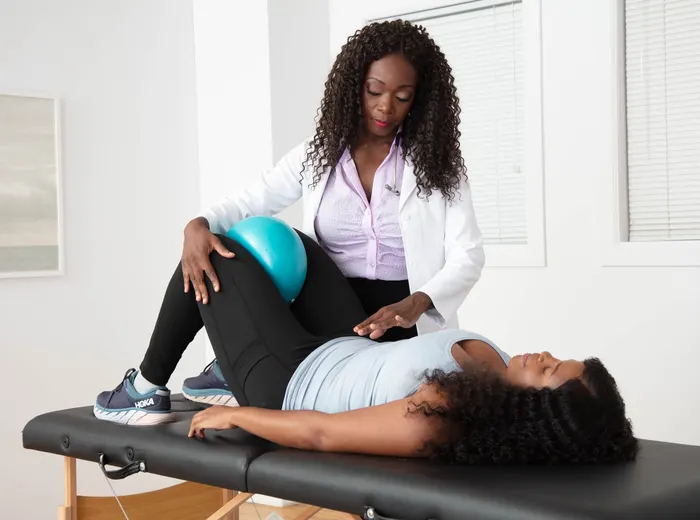
You will be positioned comfortably while your therapist moves the joint with slow, rhythmic glides or holds. You may feel stretching or pressure, but it should not be sharply painful. Your therapist checks in throughout and changes the intensity based on what you report and how the joint responds.

03

Exercise to use the motion

After mobilization, we move straight into exercises that use the new range, often while it feels easiest. This teaches your muscles to control the motion and helps the improvement last. You will leave with a short home program that keeps the joint moving between sessions.

Safety note

Joint mobilization is not right for everyone. Conditions such as recent fractures, significant osteoporosis, joint instability, inflammatory flare-ups or certain surgical repairs may call for a different approach. That is why we always examine you first and review your medical history. Mild soreness for a day afterward can happen and usually settles on its own.

In Their Words
I started Physical Therapy 3 months ago for shoulder pain and weakness. After 3 months, I am pain free and stronger than ever.
Mike E. · Physical Therapy for Shoulder Pain & Weakness
Explore More

Where to go next.

Request an Appointment

Ready when you are.

Mon - Fri9:00am - 7:00pm
Saturday10:00am - 3:00pm
Sunday10:00am - 1:00pm
VisitsBy appointment
Request an appointment. We'll call you to schedule a time.
Step 1 of 6
First things first. What's your name?
We'll need a name to book you in.
Best number to reach you?
A phone number lets us confirm your visit.
And your email?
We'll send your confirmation here.
Where would you like to be seen?
Choose where you'd like to be seen.
What questions do you have about your pain or injury?
A few words is all we need.
Look right? Send it.
✓
Request received.

We'll call within clinic hours to confirm your time.

Book Now