Are you experiencing shin splints?
Are they causing you pain and interfering with your daily or athletic activities?
Shin splints are a commonly occurring injury that causes pain on the inside of your shin.
They’re typically the result of repetitive strain or excessive stress on your lower leg.
If you’re looking for a physical therapist to assess your condition and provide you with a personalized treatment plan, our premier physical therapy clinic in Manhattan can help you.
Our physical therapy services can help you manage your pain, strengthen your lower leg, and prevent recurring injury.
In this article, we’ll take a closer look at shin splints.
We’ll explore what they are, their causes and symptoms, and how physical therapy can help.
What Are Shin Splints?
Shin splints, also known as medial tibial stress syndrome, are a common injury that affect your lower leg.
They are usually the result of accumulated stress in your lower leg from repeated pressure on the bones, muscles, and joints.
When overused, the muscles and connective tissues attached to your shin bone become inflamed, causing increased pressure.
When your shin bone, or tibia, experiences too much stress and pressure, it can cause pain, tenderness, or swelling along the front of your lower leg.
The pain is typically located in the lower leg in between your ankle and knee.
It’s possible for shin splints to cause you so much pain that you’re forced to stop the activity you’re doing.
What Is The Main Cause Of Shin Splints?
Excessive force and stress on the shin bone and its connective tissues causes shin splints.
This physical stress can cause the muscles in your lower leg to swell and further put pressure on your shin bone.
This can lead to increased pain and inflammation.
Stress reactions from bone fractures are another potential cause that can lead to the development of shin splints.
While these minor bone cracks can typically heal on their own with rest, added pressure and activity can lead to more serious injury and increased pain.
There are also a number of activities and physical attributes that can increase your risk of developing shin splints.
Some risk factors include:
- Physical differences, like flat feet
- Muscle weakness in your lower leg
- Not being flexible
- Improper training techniques
- Using inappropriate footwear during physical activities
- Running on hard surfaces
- Jumping
- Stop-start sports, like soccer or skiing
- Running
- Running downhill
- Running on slanted or uneven surfaces
- Extended periods of physical activity, like a hike
Shin splints are more likely to occur when the muscles and tendons in your legs are fatigued from overuse.
People who engage in prolonged physical activity, such as athletes, dancers, or military recruits are more likely to experience shin splints.
How Do You Know If You Have Shin Splints?
If you have shin splints, you’ll typically experience pain along the front of your lower leg and on the inside of your shin bone.
You may experience sharp pain when touching the affected area.
It may also feel like a dull ache, particularly during and after exercise.
Pain usually intensifies with physical activity and subsides with rest.
You may not initially feel pain from shin splints when doing physical activity.
However, as the condition gets worse, so will the pain and other associated symptoms.
Some symptoms that people with shin splints may experience include:
- Pain that starts during exercise
- Muscle pain
- Pain on either side of the shin bone
- Tenderness or soreness on the inside of your lower leg
- Mild swelling in the lower leg
- Weakness and numbness in the feet
If your shin is visibly swollen, feels hot, or is in severe pain following an injury or at rest, book an appointment with your physical therapist.
They’ll conduct a physical exam to determine the extent of your injury.
They may also recommend additional testing, such as an x‑ray, if they suspect that you have a bone fracture or another condition.
From there, your physical therapist can help you manage your pain, prevent further injury, and regain your regular physical activity level.
Can You Prevent Shin Splints?
There are measures you can take to decrease your risk of shin splints.
It’s important to strengthen your lower leg muscles to prevent shin splints, using varied exercises to avoid excessive stress.
Other ways in which you can prevent shin splints include:
- Stretching and warming up before physical activity
- Performing mobility and balance exercise
- Increasing your physical activity levels gradually
- Wearing supportive shoes with shock absorbing insoles
- Avoiding exercising on uneven, hard, or slanted surfaces
- Engaging in cross training activities to condition your leg muscles
- Getting an annual fitness assessment
What Is the Best Physical Therapy for Shin Splints?
If you’re experiencing shin splints, physical therapy can help.
A physical therapist will design a tailored treatment plan to help you recover.
They’ll work with you to determine how to get back to your normal activities.
They’ll also show you techniques to decrease your risk of getting shin splints again.
The goal of physical therapy for shin splints is to help reduce your pain, strengthen your lower legs, prevent recurring injury, and get you back to your typical activities.
Let’s take a closer look at how physical therapy can help with shin splints.
1. Pain Management
When it comes to shin splints, it’s important to rest from the activity or exercise that’s causing pain.
Depending on the severity of your pain, your physical therapist may prescribe different pain relief and management methods.
These can include:
- Applying ice to the affected area several times a day
- Performing gentle stretches and exercises to strengthen your affected muscles
- Taping your leg muscles or the arch of your foot
- Massaging the muscles around your shin
- Using orthotics if your feet are flat or weak
They may also recommend compression bandages, or use a foam roller on your leg muscles to help manage and reduce pain.

2. Strength Building
In order to prevent shin splints from recurring, it’s important to strengthen weak muscles.
Your physical therapist can help teach you a variety of strengthening exercises for preventing shin splints.
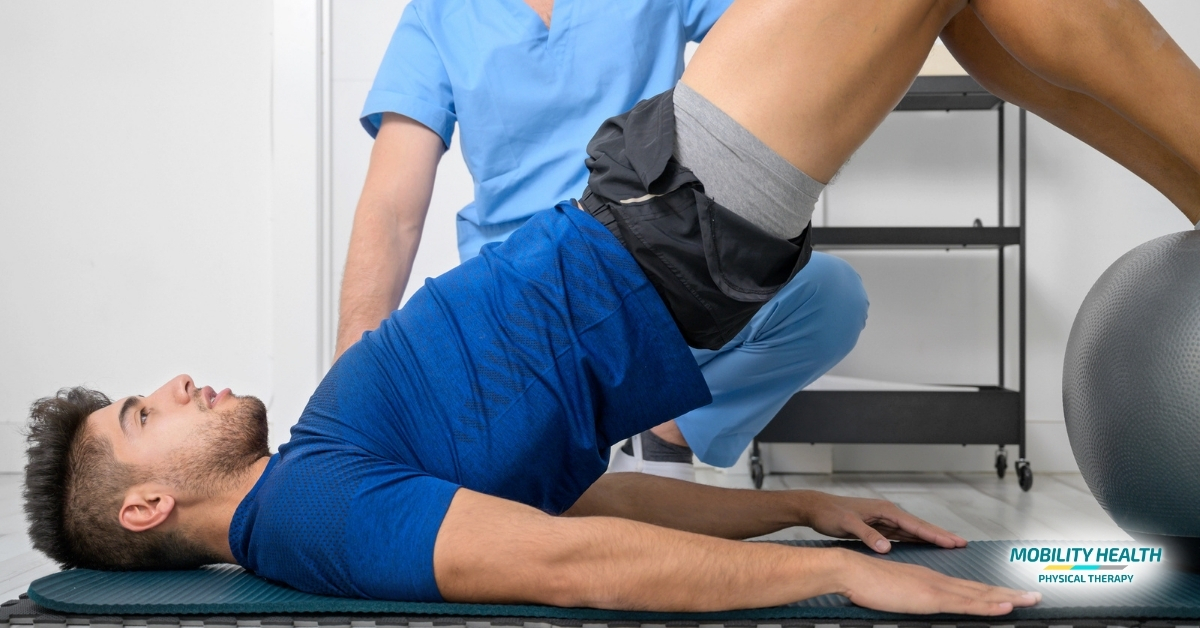
They can teach you core strengthening exercises that help strengthen your abdominals, back muscles, and hip mobility muscles.
By strengthening your core, you can increase your mobility and decrease the stress applied on your lower leg.
Additionally, a physical therapist can teach you exercises to increase the strength in your feet and shin muscles.
Developing these muscles can help decrease overpronation, or flattening out the arch in your foot.
Building up strength in these muscles can help increase your mobility and posture, and reduce your likelihood of developing shin splints.
3. Other Approaches
Aside from pain management and strength building, physical therapy can be beneficial in many other ways.
Physical therapy can help you understand the physical activities and movements that lead to the injury and guide you on how to implement strategies to prevent it from recurring.
A physical therapist can teach you modified exercises and movements to reduce the pressure on your lower leg.
This can include modified takeoff and landing techniques when jumping or modified leg and foot control when running.
A physical therapist can also help design a warm up and stretching regime to prepare your body for exercise.
They can also suggest specific types of footwear that may be beneficial for your physical attributes, like flat feet.
Additionally, in severe cases that surgical intervention is required, a physical therapist can provide you with pre- and post-surgery physical therapy.
Whatever the case may be, physical therapy for shin splints can help.

Book Your Appointment With Our Physical Therapy Clinic Today
Don’t let shin splints hold you back from the activities you love.
Our team of physical therapists at Mobility Health Physical Therapy can help assess your condition and create a tailored treatment plan for your unique challenges and goals.
They’ll work with you to help manage your pain, build your strength, implement preventative strategies, and get you back to your regular activities.
Book your appointment with Mobility Health Physical Therapy today.