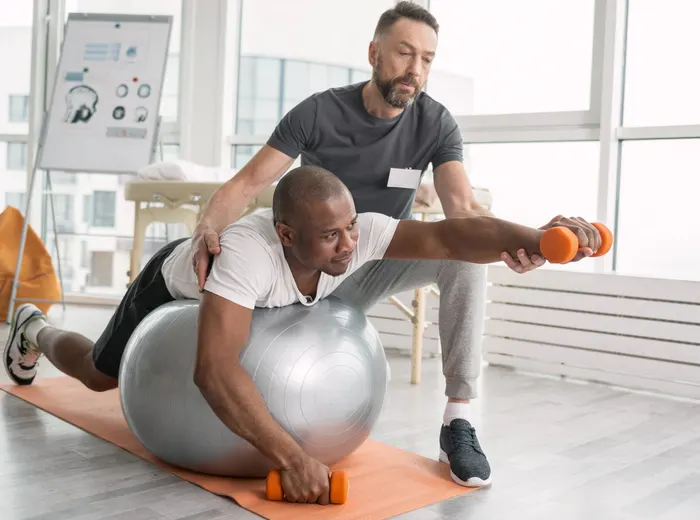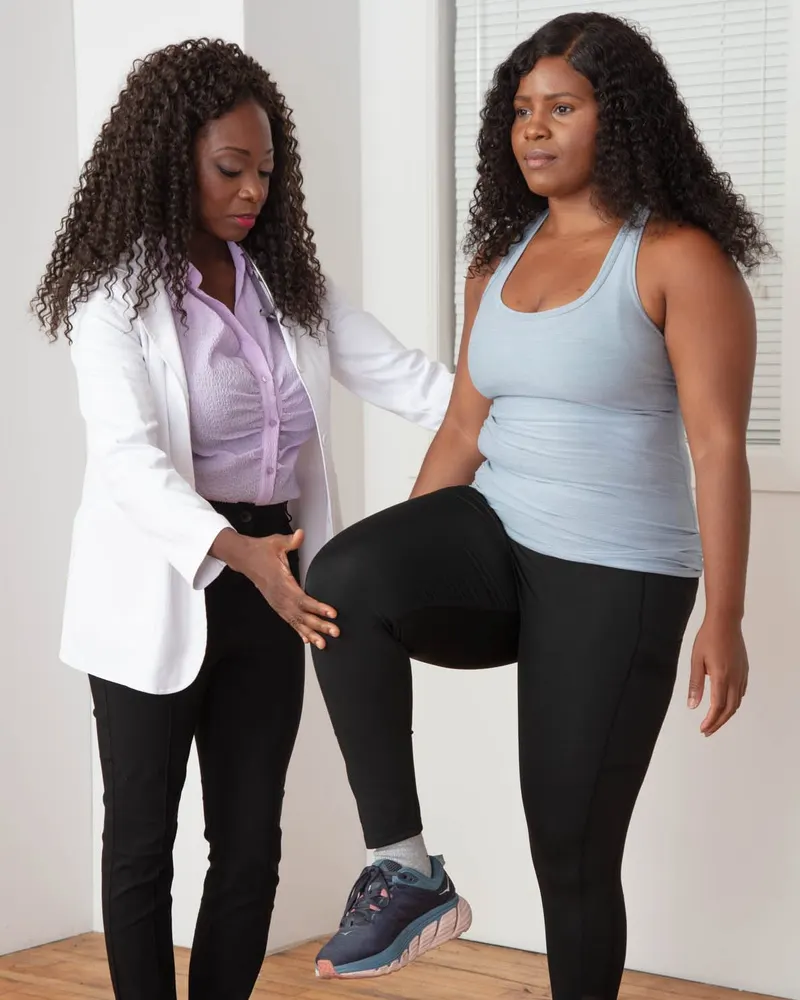
A structured look at how you move, helping your physical therapist spot limitations and imbalances so your training and recovery plan targets what matters most.

Functional Movement Screening, often called FMS, is a structured assessment of fundamental movement patterns. Your physical therapist guides you through a series of simple movements, such as squatting, stepping, lunging, reaching and stabilizing your trunk, and observes how well you perform each one. The screen is not about how much you can lift or how fast you can run. It looks at the quality of your movement: where you are limited, where one side differs from the other and where your body is compensating. Those findings help your therapist identify patterns that may contribute to pain or raise your risk of injury, and they give a clear starting point for a personalized plan. At Mobility Health Physical Therapy, Functional Movement Screening in Bay Ridge, Brooklyn is performed one-on-one by a licensed physical therapist who can interpret the results in the context of your history, work and goals.
A screen is only useful if it leads to action. After your FMS, your therapist explains the results in plain language and shows you which limitations matter most for your goals. From there, they build targeted mobility, stability and strength work to address them. Repeating the screen later gives you a practical way to see how your movement has changed, which can be especially motivating when you are training for an event or returning to activity. Screens are available at our Midtown clinic, a short walk from Penn Station, and can also be done during a mobile PT visit in your home or office.

You do not need to be injured to benefit from a movement screen. FMS is a useful tool for many people across NYC.
Whether you run the city's bridges, play in a weekend league or lift at the gym, FMS can reveal mobility restrictions and side-to-side differences that may hold back performance. Your therapist uses the results to shape a plan that supports better mechanics and a more resilient body for the activities you enjoy.
Once pain has settled, it can be hard to know whether you are truly ready to go back to full activity. A movement screen helps your therapist see whether old compensations are still present and guides the final stages of rehabilitation, so your return to sport or training is built on solid movement.
Planning to start a new fitness program, training for a race or getting back into exercise after time off? A screen gives you and your therapist a baseline. You learn where to focus first, which can help you start with more confidence and fewer setbacks along the way. It is a smart first step before you ramp up.
A Functional Movement Screening is straightforward and does not require any special preparation. Here is how it works.
Your therapist asks about your activity, past injuries, current symptoms and goals. This context matters, because the same screen result can mean different things for a runner, a desk worker or someone recovering from surgery. Wear comfortable clothes you can move in. No warm-up or special equipment is needed on your part.
You perform a series of basic movement patterns while your therapist watches closely. Each one is simple to follow, and you will not be pushed into pain. If a movement is painful, your therapist notes it and may take a closer look as part of a fuller evaluation. The whole screen usually fits easily within a single visit.
Your therapist reviews what they saw, highlights the patterns that matter most and recommends corrective exercises or a course of physical therapy if appropriate. You leave knowing your priorities, with a clear way to measure progress when you repeat the screen. Your therapist can also coordinate with your physician or coach when helpful.
FMS is a screening tool, not a diagnosis. It identifies movement patterns worth addressing, but it does not replace a full physical therapy evaluation or a physician's assessment. If you have pain or a specific injury, your therapist will combine the screen with a complete exam to guide your care.
After suffering for 4 months from plantar fasciitis and an Achilles strain, I was feeling pretty hopeless. Then Gina changed my life. From the very first day, she videotaped my gait (I walked like a drunk about to keel over!) and asked to see a pair of old sneakers. Assessing the areas that were worn, she could immediately pinpoint exactly how my gait was off.
We began meeting twice a week, and the improvement was dramatic. After just a few weeks, I was able to walk up a hill — something that had seemed impossible. Now I can walk 25,000 steps without a problem. She is also strengthening my knee so this mess will hopefully not repeat itself.
In other words, I cannot recommend Gina highly enough — working with her will change your life!

Recover from sports injuries, rebuild strength and return to play with a clear, phased plan.

Retrain balance, coordination and muscle control so your body moves safely and confidently again.

How one-on-one physical therapy in Bay Ridge, Brooklyn helps with sports injuries.